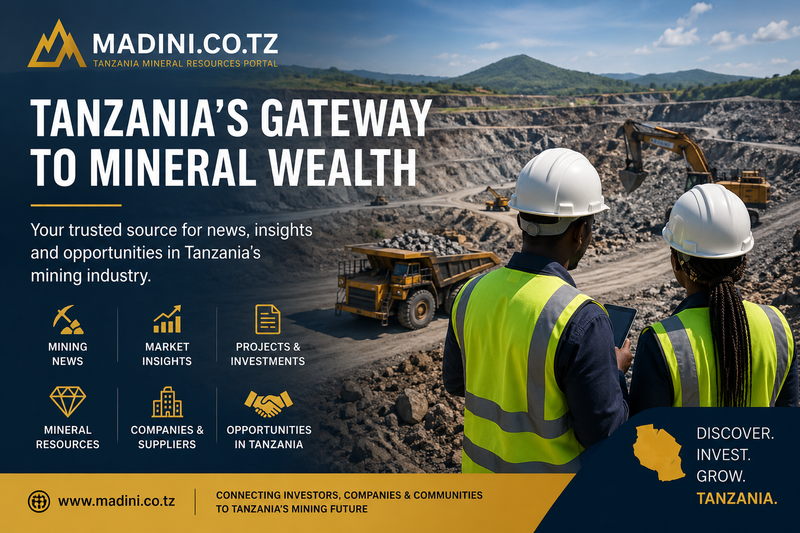
Future mineral demand in Africa. Africa is a continent rich in mineral resources, with vast deposits of precious metals, industrial minerals, and energy resources. As the global population continues to grow and technology advances, the demand for minerals is expected to increase significantly in the coming years. This presents a unique opportunity for African countries to capitalize on their natural wealth and drive economic growth through sustainable mineral extraction
https://madini.co.tz/ . One of the key drivers of future mineral demand in Africa is the rapid urbanization and industrialization taking place across the continent. As more people move to cities and industries expand, the need for construction materials, such as cement, sand, and gravel, will increase. Additionally, the growing middle class in Africa is driving demand for consumer goods, electronics, and automobiles, all of which require minerals like copper, cobalt, and lithium for their production. Furthermore, the transition to renewable energy sources, such as solar and wind power, is expected to drive demand for key minerals like rare earth elements, graphite, and nickel. Africa has significant reserves of these minerals, particularly in countries like the Democratic Republic of Congo, Zambia, and South Africa. By developing sustainable mining practices and investing in infrastructure, African countries can position themselves as key suppliers of these critical minerals to the global market. The mining industry in Africa has historically faced challenges related to governance, transparency, and environmental sustainability. However, there is a growing recognition among governments, companies, and civil society organizations of the need to address these issues in order to attract investment and ensure the long-term viability of the sector. By implementing robust regulatory frameworks, promoting responsible mining practices, and engaging with local communities, African countries can create a conducive environment for sustainable mineral extraction. In addition to traditional minerals, Africa also has significant potential in the burgeoning market for battery metals, such as cobalt, lithium, and nickel. These minerals are essential components of electric vehicles, energy storage systems, and other high-tech applications. As the demand for electric vehicles and renewable energy technologies continues to rise, African countries stand to benefit from the growing market for battery metals. One of the key challenges facing the mining sector in Africa is the lack of infrastructure, including roads, railways, and power supply. Many mineral-rich countries in Africa suffer from inadequate infrastructure, which hinders the development of mining projects and increases costs for companies. By investing in infrastructure development, African governments can unlock the full potential of their mineral resources and attract more investment from domestic and international companies. Another important consideration for the future of mineral demand in Africa is the impact of climate change and environmental degradation. Mining activities can have significant environmental and social impacts, including deforestation, water pollution, and displacement of local communities. It is crucial for African countries to prioritize sustainable mining practices that minimize these negative impacts and ensure the long-term health of ecosystems and communities. In conclusion, the future of mineral demand in Africa presents both opportunities and challenges for the continent. By embracing sustainable mining practices, investing in infrastructure, and promoting good governance, African countries can harness their natural wealth to drive economic growth, create jobs, and improve the quality of life for their citizens. With the right policies and investments, Africa can become a key player in the global mineral market and contribute to a more sustainable and equitable future for all.